
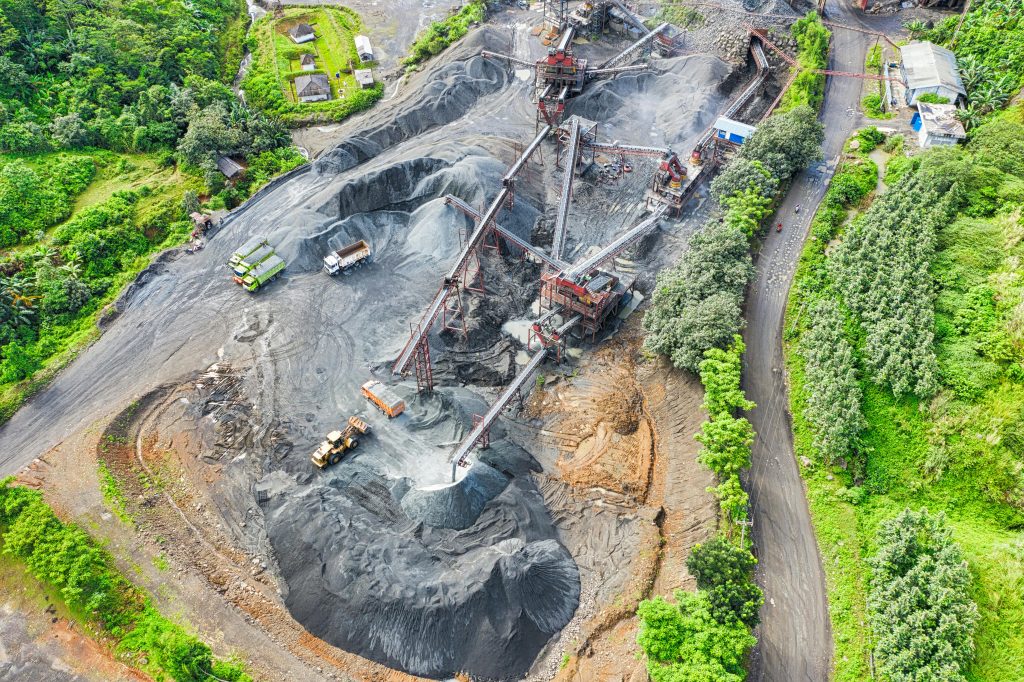
As the global economy accelerates its shift toward clean energy, Africa is stepping into a powerful new role—not just as a consumer of green technologies, but as a vital supplier of the materials that make them possible. From cobalt in the Democratic Republic of Congo to lithium in Zimbabwe and platinum in South Africa, Africa is home to more than 30% of the world’s critical minerals required for batteries, solar panels, wind turbines, and electric vehicles.
In a bold and strategic move, the African Union is now exploring a continental currency backed by critical mineral reserves, a concept reminiscent of the historical gold standard. If realized, this could redefine Africa’s leverage in global trade while securing a more equitable stake in the energy transition.
Why Critical Minerals Matter for the Energy Transition
Modern renewable technologies are heavily mineral-dependent. For instance:
- A single electric vehicle battery requires over 60 kg of lithium, cobalt, and nickel
- Wind turbines rely on rare earth elements like neodymium and dysprosium
- Solar panels require copper, silicon, and silver
The International Energy Agency (IEA) estimates that demand for critical minerals will grow by up to 600% by 2040 if the world is to meet net-zero targets.
With geopolitical tensions disrupting supply chains and Western nations reducing dependence on China, Africa’s reserves are attracting unprecedented attention—and investment.
The Push for Local Value Creation
Historically, African countries have exported raw minerals only to import them back as processed goods at higher prices. Now, with growing awareness and strategic focus, governments across the continent are prioritizing local beneficiation and industrialization.
Recent developments include:
- Zimbabwe’s lithium ban on unprocessed exports to promote domestic refining
- Zambia and the DRC’s battery manufacturing alliance, aiming to build EV battery plants locally
- Namibia’s green industrialization policy, linking hydrogen production with mineral value chains
These moves signal a shift from being mere resource suppliers to strategic players in the global energy economy.
CLG Energy Transition Centre: Connecting Resources to Results
At CLG Energy Transition Centre, we support investors, developers, and governments in structuring and financing energy projects that are rooted in Africa’s resource strengths.
We assist in:
- Identifying opportunities tied to critical minerals and local energy infrastructure
- Navigating regulatory frameworks for mining-linked energy investments
- Securing partnerships between local governments, mining firms, and international developers
- Advising on legal and ESG compliance for mineral-linked energy projects
Our focus is not only on energy generation, but on building circular value chains where mineral resources and clean energy go hand in hand.
The Strategic Role of a Minerals-Backed Currency
In early 2025, the African Union began exploring a “Pan-African Minerals-Backed Currency”—a proposal to stabilize intra-continental trade, reduce reliance on the US dollar, and give African nations greater bargaining power in global markets.
While still conceptual, the idea is backed by the growing consensus that Africa must retain more value from its natural resources. Backing currency with in-ground mineral wealth could:
- Increase investor confidence
- Strengthen regional trade blocs like AfCFTA
- Provide leverage in international financing negotiations
If executed well, this currency model could support Africa’s ability to fund large-scale energy and infrastructure projects domestically.
Opportunities for Investors and Developers
Africa’s mineral boom opens up multiple pathways for sustainable investment:
- Hybrid energy projects for mining operations (solar + storage to power remote mines)
- EV battery supply chain infrastructure, from refining to transport
- Industrial parks and special economic zones linked to mineral-rich regions
- Public-private partnerships (PPPs) to finance local beneficiation and smelting plants
Countries such as Rwanda, Botswana, and Tanzania are offering incentives to attract responsible investors who align with Africa’s long-term development goals.
Challenges to Address
The path forward won’t be without hurdles:
- Regulatory fragmentation across countries still complicates cross-border projects
- Transparency and governance issues in the mining sector must be tackled
- Environmental and social risks tied to extraction require stronger oversight
- Infrastructure gaps (power, transport, water) continue to slow down project scalability
At CLG, we work with clients to mitigate these risks and build resilience into their investment strategies—helping them navigate local complexities with long-term vision.
Shaping Africa’s Future at the Energy Transition Centre
As we embark on a critical journey towards a sustainable energy future, your involvement is crucial. The Energy Transition Centre at CLG is at the forefront of transforming Africa’s energy landscape, advocating for an energy mix, including renewable energy adoption to foster economic growth and improve quality of life. We invite you to join us in this essential mission. Whether you’re an industry expert, a policy maker, or a concerned citizen, your contribution can make a significant difference. For guidance, insights, or to share your ideas, feel free to contact the Energy Transition Centre today with questions:
- Oneyka Ojogbo, Head of Energy Transition Centre: [email protected]
- Leon van Der Merwe, Head of Energy Transition Centre: [email protected]
- Brenda Wagura: [email protected]
Together, we can shape a brighter, more sustainable future.
