
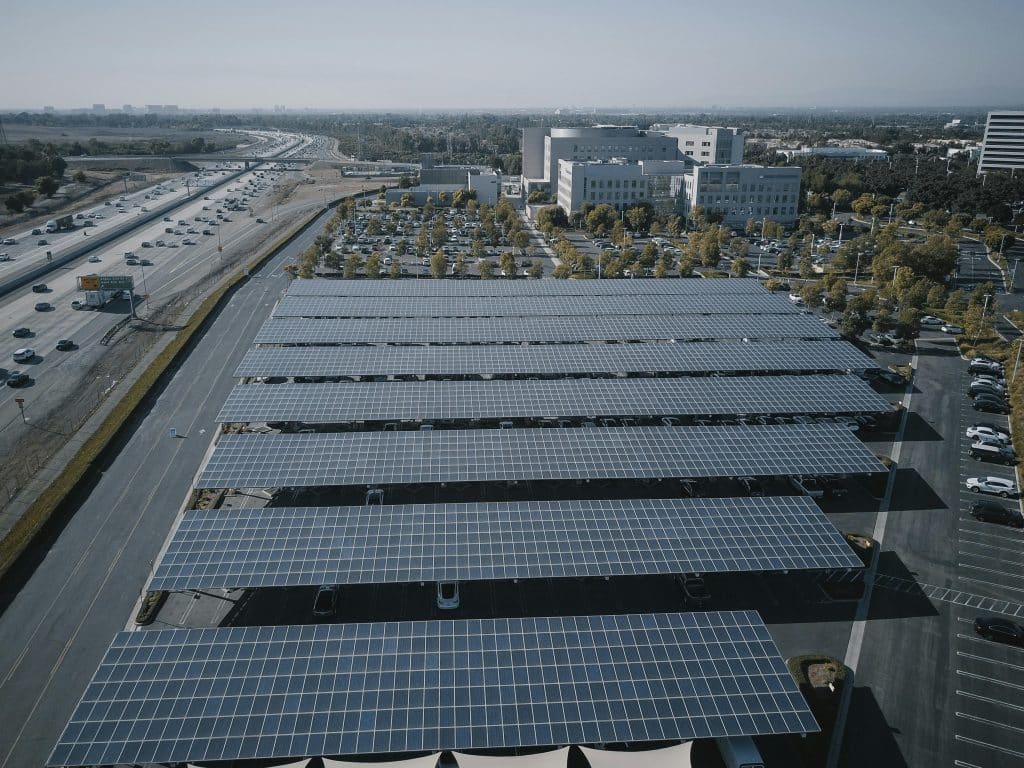
Nigeria, blessed with abundant sunlight, receives an average of 3.5 to 7.0 kilowatt-hours of solar energy per square meter daily—far surpassing countries like the UK, which averages just 2.53 kilowatt-hours. Yet, despite this natural advantage, millions of Nigerians remain in darkness, grappling with unreliable electricity or relying on costly and polluting alternatives like diesel generators.
Understanding Nigeria’s Energy Crisis
Nigeria, with its population of over 220 million, faces a severe energy deficit. While the national grid generates an average of just 4,000–5,000 megawatts of electricity, countries like South Africa, with only a third of Nigeria’s population, generate 58,000 megawatts. According to the World Bank, 85 million Nigerians—about 43% of the population—lack access to grid electricity, making Nigeria the country with the world’s largest energy access deficit.
Even for those connected to the grid, electricity supply is erratic and unreliable. Frequent outages, often lasting hours or even days, cost the Nigerian economy approximately $29 billion annually. This gap forces households and businesses to depend on diesel and petrol generators, which currently supply 75% of off-grid power in the country.
While generators provide immediate relief, their disadvantages are glaring: high fuel costs, significant carbon emissions, noise pollution, and health hazards from air pollutants. The system, as it stands, is unsustainable.
The Untapped Potential of Solar Energy
Nigeria lies within the tropical belt, receiving some of the highest levels of solar radiation in the world. Experts estimate that harnessing just 1% of Nigeria’s landmass for solar panels could generate enough electricity to meet the nation’s energy needs. Despite this enormous potential, solar energy remains underutilized, contributing only a small fraction to Nigeria’s energy mix.
Several factors hinder the adoption of solar energy in Nigeria:
- High Initial Costs: While the long-term savings of solar are significant, the upfront cost of installation remains a barrier for many Nigerians.
- Policy Inconsistencies: A lack of stable and supportive policies for renewable energy adoption discourages investment and innovation in the sector.
- Public Perception: Many Nigerians perceive solar energy as unreliable, stemming from poor-quality installations and limited awareness of its benefits.
Addressing these challenges is crucial to unlocking solar energy’s potential.
How Solar Energy Can Transform Nigeria’s Power Sector
Solar energy offers a decentralized, scalable, and sustainable solution to Nigeria’s energy challenges. Unlike grid-dependent electricity, solar systems can be deployed in both urban and remote areas, bringing power to communities that are too costly to connect to the national grid. Off-grid solar solutions such as solar boreholes, streetlights, and mini-grids are already making a difference in rural Nigeria.
Benefits of Solar Energy
- Reliability: Solar systems are less prone to outages compared to the national grid, ensuring consistent electricity supply for homes and businesses.
- Cost Savings: Although the initial investment in solar panels and batteries is high, the long-term savings from reduced fuel and maintenance costs make solar energy a more economical option.
- Environmental Impact: Transitioning from generators to solar energy significantly reduces greenhouse gas emissions, contributing to global climate change mitigation efforts.
- Job Creation: The solar energy sector creates jobs in manufacturing, installation, maintenance, and distribution, supporting Nigeria’s growing workforce.
Solar energy has already demonstrated its potential in parts of Nigeria. For example, mini-grid projects supported by organizations like the Rural Electrification Agency (REA) have brought power to underserved communities, improving livelihoods and enabling small-scale industries.
A Tech-Driven Future for Solar Energy
The intersection of technology and energy offers immense possibilities for Nigeria. Innovations in energy storage, smart grids, and mobile payment solutions are making solar energy more accessible and efficient. Companies like Lumos, Solynta, and Rensource are already leveraging technology to provide affordable solar solutions to Nigerian households and businesses.
Drawing parallels to the fintech revolution, solar energy has the potential to disrupt Nigeria’s power sector by addressing inefficiencies and meeting everyday energy needs with innovative solutions. By integrating solar power with digital tools and financing models, Nigeria can accelerate the transition to a clean energy future.
The Road Ahead: Making Solar Energy Nigeria’s Primary Power Source
To realize the full potential of solar energy, Nigeria must adopt a multi-faceted approach:
- Policy Reforms: Implementing consistent, long-term policies that encourage investment in renewable energy.
- Public Awareness: Educating Nigerians about the reliability and cost-effectiveness of solar energy.
- Financing Models: Introducing innovative financing options such as pay-as-you-go systems and subsidies to reduce the burden of upfront costs.
- Local Manufacturing: Developing a local supply chain for solar panels and batteries to reduce costs and create jobs.
Conclusion
Nigeria stands at a critical crossroads. With its abundant sunlight, the country has the resources to transform its energy sector and address its power deficit sustainably. Solar energy offers a reliable, cost-effective, and environmentally friendly alternative to the current dependence on fossil fuels and generators.
The path forward is clear: embrace solar energy as a primary power source, implement supportive policies, and foster innovation to drive adoption. Nigeria has the sun—now it’s time to turn it into light.
Shaping Africa’s Future at the Energy Transition Centre
As we embark on a critical journey towards a sustainable energy future, your involvement is crucial. The Energy Transition Centre at CLG is at the forefront of transforming Africa’s energy landscape, advocating for an energy mix, including renewable energy adoption to foster economic growth and improve quality of life. We invite you to join us in this essential mission. Whether you’re an industry expert, a policy maker, or a concerned citizen, your contribution can make a significant difference. For guidance, insights, or to share your ideas, feel free to contact the Energy Transition Centre today with questions:
- Oneyka Ojogbo, Head of Energy Transition Centre: [email protected]
- Leon van Der Merwe, Head of Energy Transition Centre: [email protected]
- Brenda Wagura: [email protected]
Together, we can shape a brighter, more sustainable future.
