
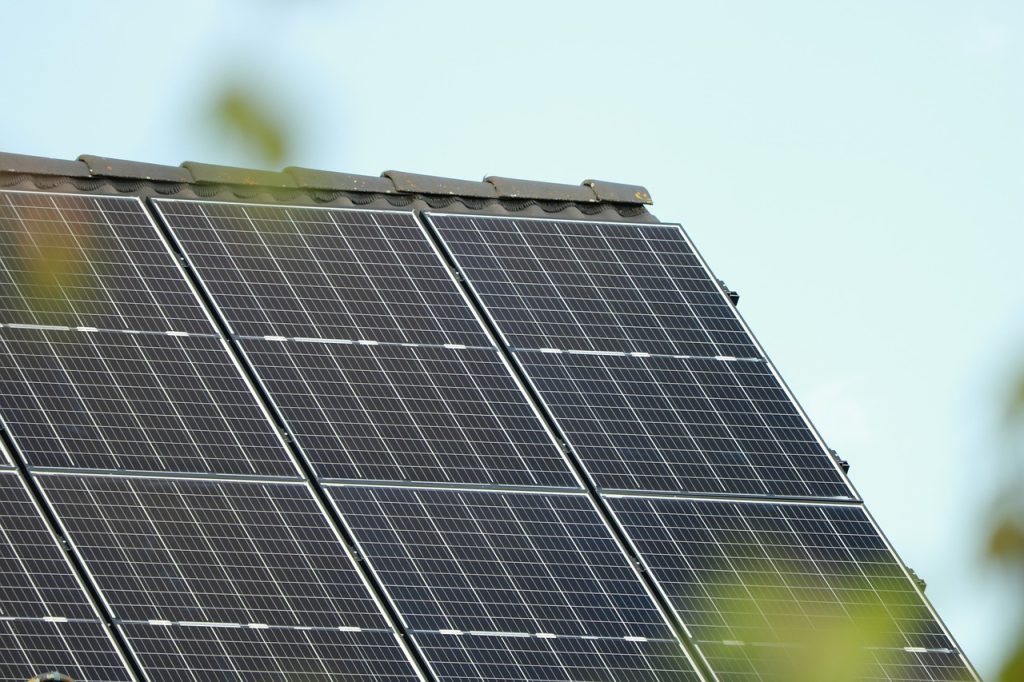
Access to reliable electricity remains one of the most pressing challenges in Africa. Over 600 million people—nearly 43% of the continent’s population—still lack access to electricity, with the majority living in rural and underserved areas. Traditional grid expansion has failed to keep pace with population growth and rising energy demand, leaving large parts of Sub-Saharan Africa without reliable power. In response, off-grid energy solutions are emerging as a game-changing alternative. Solar home systems, mini-grids, and pay-as-you-go (PAYG) models are providing affordable and scalable power options, driving rural electrification and improving livelihoods. The off-grid sector is now one of the fastest-growing segments of Africa’s energy market, attracting investment from development banks, impact investors, and private capital.
At CLG Energy Transition Centre, we specialize in helping global investors and energy companies capitalize on Africa’s off-grid energy market. From securing financing and navigating complex regulatory frameworks to structuring innovative payment models, we provide the strategic guidance and operational support needed to develop and scale off-grid projects across the continent.
Why Off-Grid Energy is Critical for Africa
1. Increasing Energy Demand in Rural and Underserved Areas
Africa’s population is expected to grow from 1.5 billion to over 2.5 billion by 2050, creating unprecedented energy demand. Grid infrastructure remains weak and fragmented in many African countries, particularly in rural areas, where grid extension is often not economically viable.
Off-grid energy solutions provide a more practical and cost-effective alternative to centralized grid expansion. Mini-grids, solar home systems, and stand-alone renewable solutions are helping to close the energy access gap while supporting rural economic development.
2. Falling Costs of Solar and Storage Technologies
The cost of solar photovoltaic (PV) panels and battery storage has fallen dramatically over the last decade:
- Solar PV costs have declined by 80% since 2010.
- Lithium-ion battery costs have dropped by nearly 70% since 2015.
Lower costs have made off-grid energy solutions more affordable and scalable, increasing the financial viability of deploying renewable systems in remote areas.
3. Expansion of Pay-As-You-Go (PAYG) and Mobile Payment Models
PAYG models have transformed the off-grid energy market in Africa by allowing consumers to pay for electricity in small, manageable installments using mobile money platforms. This has made solar home systems and mini-grids more accessible to low-income households.
Leading off-grid providers like M-KOPA, Sun King, and d.light have deployed millions of PAYG solar systems across East and West Africa. The ability to integrate mobile payments with energy access has unlocked new markets and created a steady revenue stream for off-grid developers.
4. Growing Investor Interest and Development Bank Support
Off-grid energy projects are attracting increasing attention from both impact investors and development banks:
- The World Bank has committed over $1 billion in funding to support off-grid energy expansion in Sub-Saharan Africa.
- The African Development Bank (AfDB) launched the “Desert to Power” initiative, which aims to install over 10 GW of solar capacity across the Sahel region.
- The Green Climate Fund is providing risk mitigation guarantees and concessional loans for off-grid solar and mini-grid projects.
The growing availability of concessional finance and blended capital is improving the bankability of off-grid energy projects and lowering the barriers to market entry for private investors.
Challenges Facing Off-Grid Energy Projects in Africa
Despite the rapid growth of off-grid solutions, several challenges continue to hinder market expansion. Regulatory uncertainty remains a key obstacle. Many African countries lack clear legal frameworks for off-grid energy systems, creating confusion around licensing, tariffs, and grid connection policies. Establishing transparent and consistent regulatory guidelines is critical to scaling off-grid projects.
Financing remains another challenge. While development banks have increased funding for off-grid projects, private capital remains limited due to perceived risks and inconsistent revenue streams. Developing innovative financing models that combine concessional loans with private investment is essential to accelerating off-grid deployment.
Technical challenges also persist. Battery storage costs, although declining, still represent a significant portion of off-grid project costs. In addition, integrating off-grid systems with national grids remains complex due to weak transmission and distribution infrastructure.
How CLG Energy Transition Centre Supports Off-Grid Energy Projects
At CLG Energy Transition Centre, we provide end-to-end support for off-grid energy projects, helping clients navigate the complex African energy landscape and secure long-term success.
We offer comprehensive market analysis and strategic advisory services to identify high-potential off-grid opportunities. This includes assessing rural electrification demand, evaluating local grid capacity, and identifying suitable off-grid technologies and business models.
Our financing and structuring expertise helps clients secure funding from development banks, impact investors, and private lenders. We structure deals that combine concessional finance, grants, and equity investment to reduce capital costs and improve financial viability. We also advise on currency risk hedging and payment structures to protect against revenue fluctuations.
Our legal team manages regulatory compliance, handling licensing, permits, and grid integration agreements. We ensure that projects comply with local and international energy standards, negotiate power purchase agreements (PPAs), and secure environmental approvals.
We also support the rollout of PAYG models and mobile payment systems by advising on consumer payment strategies and integrating payment platforms with energy distribution networks. This includes working with local telecom companies to enable seamless mobile payments and improve customer retention.
Why Off-Grid Energy Solutions Are a Game-Changer
Off-grid solutions are transforming Africa’s energy landscape in multiple ways:
- Electrification: Off-grid systems are expanding energy access in rural and underserved areas where traditional grid extension is not feasible.
- Economic Impact: Access to reliable power enables small businesses, improves agricultural productivity, and supports local manufacturing.
- Health and Education: Electrification of rural health clinics and schools improves public health outcomes and educational performance.
- Climate Impact: Solar and wind-based off-grid systems reduce reliance on diesel generators, cutting carbon emissions and lowering fuel costs.
Off-grid energy solutions represent one of the most scalable and cost-effective ways to address Africa’s energy deficit. As solar, wind, and battery costs continue to fall and mobile payment models expand, off-grid projects are poised for significant growth.
Shaping Africa’s Future at the Energy Transition Centre
As we embark on a critical journey towards a sustainable energy future, your involvement is crucial. The Energy Transition Centre at CLG is at the forefront of transforming Africa’s energy landscape, advocating for an energy mix, including renewable energy adoption to foster economic growth and improve quality of life. We invite you to join us in this essential mission. Whether you’re an industry expert, a policy maker, or a concerned citizen, your contribution can make a significant difference. For guidance, insights, or to share your ideas, feel free to contact the Energy Transition Centre today with questions:
- Oneyka Ojogbo, Head of Energy Transition Centre: [email protected]
- Leon van Der Merwe, Head of Energy Transition Centre: [email protected]
- Brenda Wagura: [email protected]
Together, we can shape a brighter, more sustainable future.
