
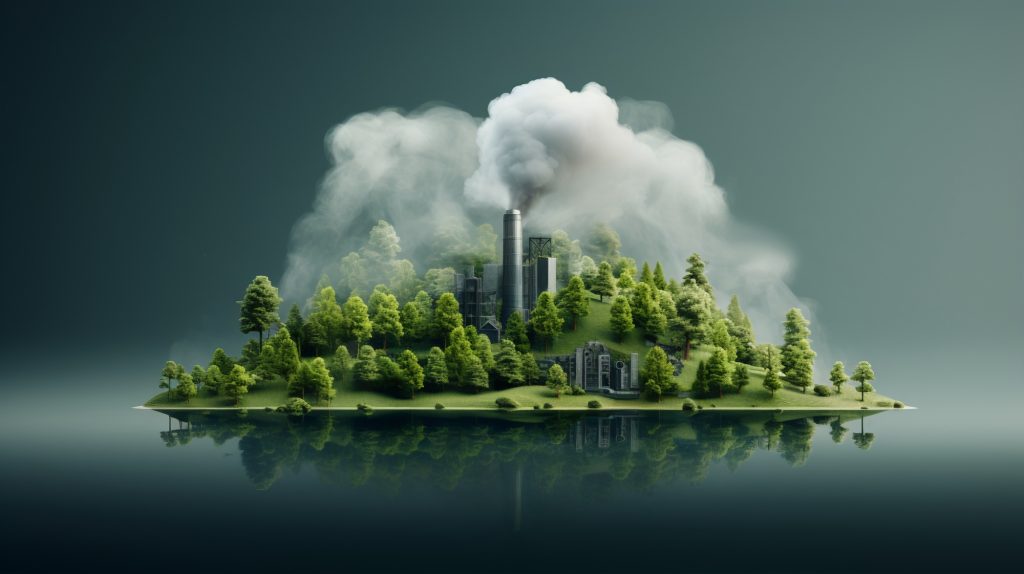
Africa’s energy transition is at a pivotal stage. While the continent has some of the richest renewable energy resources in the world—solar, wind, and hydropower—many African nations remain heavily dependent on fossil fuels for electricity generation and industrial activity. Over 70% of Africa’s electricity is still generated from coal, oil, and gas, contributing to high carbon emissions and exposing economies to price volatility and supply disruptions.
Transitioning from fossil fuels to clean energy is no longer an option—it’s an economic and environmental necessity. Decarbonization is not only about reducing emissions but also about driving sustainable growth, enhancing energy security, and creating new opportunities for investment and job creation. At CLG Energy Transition Centre, we are helping investors and businesses accelerate this transition by providing strategic advisory and legal support to develop large-scale renewable energy projects, phase out coal dependency, and implement innovative clean energy solutions.
Why Decarbonization is Critical for Africa
While Africa contributes less than 4% of global carbon emissions, the continent is disproportionately affected by climate change. Rising temperatures, water scarcity, and extreme weather events are already impacting agriculture, infrastructure, and public health across the region. Transitioning from fossil fuels to renewables is crucial to:
1. Enhance Energy Security
Fossil fuel dependency exposes African economies to global market volatility. Fluctuations in oil and gas prices have led to frequent power shortages and rising electricity costs. Transitioning to renewable energy will reduce this dependency and create a more stable energy supply.
2. Meet Growing Energy Demand Sustainably
Africa’s energy demand is expected to double by 2040 due to population growth and industrial expansion. Meeting this demand with fossil fuels would increase emissions and deepen economic vulnerability. Renewable energy offers a scalable and cost-effective solution to meet future demand without increasing emissions.
3. Unlock Economic Opportunities
Decarbonization is not just about reducing emissions—it’s about creating economic value. Investments in renewable energy infrastructure, green hydrogen, and energy storage have the potential to create millions of new jobs and stimulate industrial growth.
According to the International Renewable Energy Agency (IRENA), Africa’s renewable energy sector could generate over 4 million jobs by 2030 if current investment trends continue.
4. Improve Public Health and Environmental Quality
Burning fossil fuels contributes to air pollution, which is linked to respiratory diseases and premature death. Transitioning to clean energy will reduce pollution levels and improve public health outcomes.
Challenges in Africa’s Decarbonization Path
Despite the clear benefits of decarbonization, Africa faces significant challenges in moving away from fossil fuels:
1. Infrastructure Limitations
Many African nations lack the grid capacity and transmission infrastructure to support large-scale renewable projects. Expanding and modernizing the grid is critical to ensuring that renewable energy can reach consumers and businesses.
2. Regulatory and Policy Uncertainty
While many African governments have announced ambitious decarbonization targets, inconsistent policies and slow permitting processes create uncertainty for investors. Clear and stable regulatory frameworks are essential to attract long-term capital.
3. Financing Gaps
Transitioning to renewable energy requires significant upfront investment. Many African countries face challenges securing the necessary capital due to perceived political and financial risks. Blended finance models and government-backed guarantees are needed to close this funding gap.
4. Balancing Economic Growth and Energy Transition
Many African nations rely on fossil fuel exports for government revenue and foreign exchange. Transitioning away from fossil fuels requires balancing the need for economic stability with the shift to clean energy.
How CLG Energy Transition Centre is Leading Africa’s Decarbonization
At CLG Energy Transition Centre, we provide strategic guidance and legal expertise to help clients navigate the complexities of Africa’s energy transition. Our services are designed to accelerate decarbonization while ensuring economic viability and regulatory compliance:
1. Transition Strategy and Market Analysis
We help clients develop customized decarbonization strategies based on market conditions and national energy policies.
- Identifying high-potential renewable energy projects.
- Analyzing market trends and competitive dynamics.
- Developing phased transition plans to reduce fossil fuel dependency while scaling renewable capacity.
2. Structuring Renewable Energy Projects
We assist in structuring renewable energy deals to improve financial viability and bankability.
- Structuring power purchase agreements (PPAs) with government and private off-takers.
- Securing blended finance from development banks, private investors, and green bonds.
- Developing hybrid energy models that combine renewable generation with grid stability solutions.
3. Regulatory and Legal Support
Our legal team ensures that projects are fully compliant with local and international environmental and energy regulations.
- Managing environmental impact assessments (EIAs).
- Securing project permits and land-use rights.
- Advising on carbon credit frameworks and tax incentives.
4. Green Hydrogen and Emerging Technologies
Green hydrogen is emerging as a key enabler of Africa’s decarbonization. We support clients in developing hydrogen infrastructure and securing funding for pilot projects.
- Structuring joint ventures with local and international partners.
- Advising on hydrogen production, storage, and distribution models.
- Developing contracts for hydrogen export to European and Asian markets.
Decarbonization Success Stories in Africa
Several African nations have already made significant progress in reducing their reliance on fossil fuels:
- South Africa: The government’s Just Energy Transition Partnership (JETP) has secured over $8.5 billion in funding to transition from coal to renewables. The country is investing heavily in solar and wind capacity to replace aging coal plants.
- Morocco: Over 40% of the country’s energy capacity now comes from renewables, with plans to increase this to 52% by 2030. The Noor Ouarzazate Solar Complex is one of the largest concentrated solar power (CSP) plants in the world.
- Kenya: Over 80% of Kenya’s electricity already comes from renewables, including geothermal, wind, and hydro. The government’s long-term strategy focuses on expanding solar capacity and developing green hydrogen projects.
Africa’s shift from fossil fuels to renewable energy is not just an environmental imperative—it’s a strategic opportunity for economic growth and global leadership. Decarbonization will enhance energy security, create jobs, and improve living standards while positioning Africa as a key player in the global clean energy transition.
Shaping Africa’s Future at the Energy Transition Centre
As we embark on a critical journey towards a sustainable energy future, your involvement is crucial. The Energy Transition Centre at CLG is at the forefront of transforming Africa’s energy landscape, advocating for an energy mix, including renewable energy adoption to foster economic growth and improve quality of life. We invite you to join us in this essential mission. Whether you’re an industry expert, a policy maker, or a concerned citizen, your contribution can make a significant difference. For guidance, insights, or to share your ideas, feel free to contact the Energy Transition Centre today with questions:
- Oneyka Ojogbo, Head of Energy Transition Centre: [email protected]
- Leon van Der Merwe, Head of Energy Transition Centre: [email protected]
- Brenda Wagura: [email protected]
Together, we can shape a brighter, more sustainable future.
