
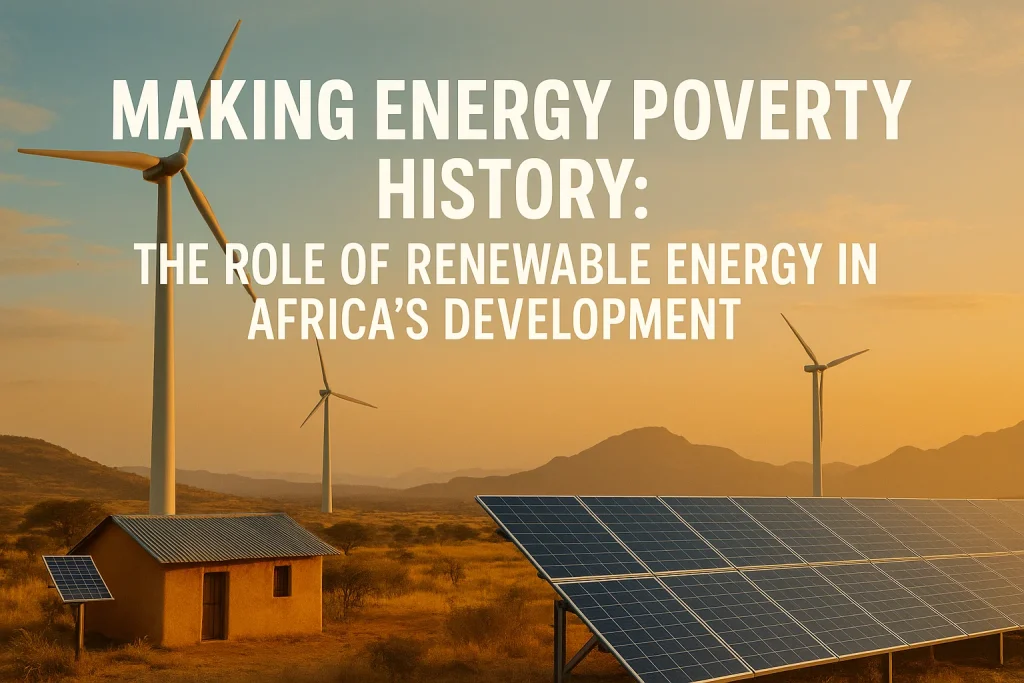
Despite its vast energy resources, Africa continues to struggle with widespread energy poverty. Over 600 million people across the continent lack access to reliable electricity, with rural communities affected most severely. The consequences ripple far beyond homes and villages—impacting education, healthcare, industrial growth, and gender equality.
But this crisis presents an opportunity. As countries strive to decarbonize and grow sustainably, tackling energy poverty in Africa through renewable energy is not only feasible—it is essential. At the forefront of this transition is CLG Energy Transition Centre, empowering governments, investors, and developers to transform energy access through clean, locally driven solutions.
1. Understanding Energy Poverty in Africa
Energy poverty in Africa refers to the lack of access to modern, affordable, and reliable energy sources. It’s not just about electricity—it also encompasses clean cooking fuels, lighting, and power for basic appliances.
Key facts:
- 80% of people in sub-Saharan Africa rely on biomass for cooking.
- Health facilities often operate without refrigeration or lighting.
- Students study by candlelight, and small businesses struggle to grow.
This gap holds back economic development, increases health risks, and disproportionately affects women and children.
2. The Role of Renewable Energy in Bridging the Gap
Renewable energy technologies are ideally suited to address this challenge:
Off-grid and mini-grid solar systems: Enable electrification of remote villages and underserved urban areas without waiting for large-scale infrastructure.
Wind and hydro power: Support national grids and create redundancy to prevent frequent blackouts.
Clean cooking technologies (biogas, ethanol stoves): Provide healthier, sustainable alternatives to charcoal and firewood.
Affordable and scalable models: Prepaid solar home systems and community microgrids lower entry barriers and support sustainable expansion.
These solutions are already transforming how energy poverty in Africa is addressed—paving the way for inclusive growth and climate resilience.
3. Socio-Economic Benefits of Renewable Energy Access
Transitioning to clean energy has far-reaching developmental impacts:
- Education: Electrified schools improve learning environments and allow for digital tools and longer study hours.
- Health: Clinics with solar power can refrigerate vaccines and operate essential medical devices.
- Women’s Empowerment: Access to energy frees up time spent collecting firewood, reduces indoor air pollution, and enables women-led microenterprises.
- Job Creation: Local assembly, maintenance, and installation of renewable systems create skilled employment opportunities.
- Food Security: Solar irrigation and refrigeration improve agricultural yields and reduce post-harvest losses.
Solving energy poverty in Africa is not just a climate imperative—it’s a human rights issue and an economic catalyst.v
4. How CLG Energy Transition Centre Supports the Mission
At CLG Energy Transition Centre, we are deeply committed to eradicating energy poverty in Africa by enabling international collaboration, legal security, and project development for clean energy initiatives. Our core contributions include:
🔹 Strategic Advisory
- Identifying high-impact, underserved areas for renewable deployment
- Supporting community-based and donor-backed energy projects
🔹 Legal and Regulatory Support
- Facilitating smooth licensing and procurement in complex jurisdictions
- Ensuring projects are compliant with national electrification plans
🔹 Partnership Development
- Bridging local governments, NGOs, private investors, and DFIs
- Supporting blended finance structures for off-grid and mini-grid rollouts
🔹 Advocacy and Capacity Building
- Promoting policy reform for decentralized energy solutions
- Encouraging skills development and gender equity in the sector
Through our presence in key African markets and a growing network of partners, we support initiatives that go beyond energy infrastructure—they change lives.
5. Real Impact, Real Lives
In a recent collaboration, CLG supported a community solar microgrid in northern Ghana, providing electricity to over 400 households, a primary school, and a health clinic. The result?
- Reduced kerosene use by 90%
- Improved school performance
- Increase in small business activity and market access
This is the power of targeted, well-supported renewable energy interventions in ending energy poverty in Africa.
___________________________________________________________________________________________________________________________________
Shaping Africa’s Future at the Energy Transition Centre
As we embark on a critical journey towards a sustainable energy future, your involvement is crucial. The Energy Transition Centre at CLG is at the forefront of transforming Africa’s energy landscape, advocating for an energy mix, including renewable energy adoption to foster economic growth and improve quality of life. We invite you to join us in this essential mission. Whether you’re an industry expert, a policy maker, or a concerned citizen, your contribution can make a significant difference. For guidance, insights, or to share your ideas, feel free to contact the Energy Transition Centre today with questions:
- Oneyka Ojogbo, Head of Energy Transition Centre: [email protected]
- Leon van Der Merwe, Head of Energy Transition Centre: [email protected]
- Brenda Wagura: [email protected]
Together, we can shape a brighter, more sustainable future.
