
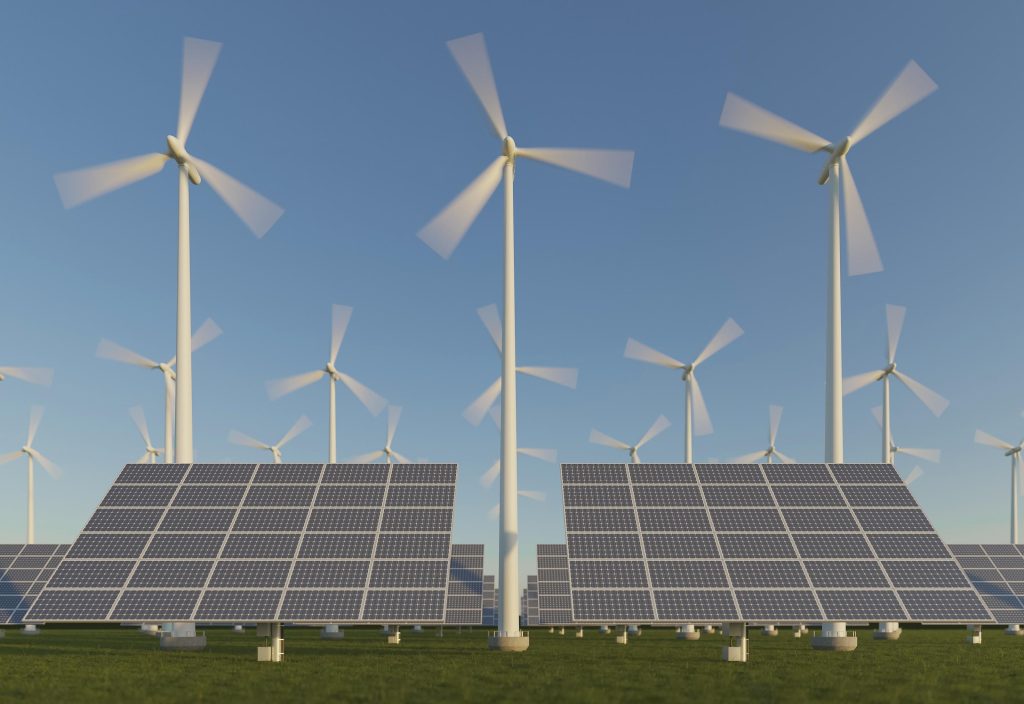
Africa’s renewable energy sector is undergoing a significant transformation, with utility-scale solar and wind projects emerging as key drivers of this shift. As energy demand rises and the global focus on sustainability intensifies, African nations are increasingly investing in large-scale renewable energy projects to diversify their energy mix, reduce dependency on fossil fuels, and enhance grid reliability.
Utility-scale solar and wind projects are not only improving energy access across the continent but are also attracting significant interest from global investors seeking high-yield opportunities in emerging markets. However, the scale and complexity of these projects require careful strategic planning, strong regulatory compliance, and innovative financial structuring.
At CLG Energy Transition Centre, we specialize in helping international investors and developers navigate the complexities of Africa’s renewable energy markets. Through tailored advisory and legal services, we support the development of utility-scale projects from concept to completion—ensuring long-term profitability and operational success.
Why Utility-Scale Solar and Wind Projects Are Growing in Africa
Africa’s renewable energy landscape is expanding rapidly, driven by a combination of policy shifts, technological advancements, and increasing investor interest. Several key factors are fueling the rise of utility-scale solar and wind projects:
1. Rising Energy Demand and Electrification Goals
Africa’s population is expected to reach 2.5 billion by 2050, driving massive increases in energy consumption. Over 600 million people in Sub-Saharan Africa still lack access to electricity, creating a significant demand for new energy infrastructure.
Utility-scale solar and wind projects offer a scalable solution to this challenge, enabling governments and utilities to increase grid capacity and improve energy access on a large scale.
2. Declining Costs of Solar and Wind Technologies
The cost of solar photovoltaic (PV) and wind turbine technologies has fallen significantly over the past decade:
- Solar PV costs have dropped by 80% since 2010.
- Onshore wind costs have decreased by over 55% during the same period.
Lower equipment and installation costs have made utility-scale solar and wind projects more financially viable, encouraging private sector participation and reducing the levelized cost of electricity (LCOE) across the continent.
3. Supportive Regulatory and Policy Environment
Many African governments have implemented ambitious renewable energy targets and procurement programs to accelerate the transition to clean energy:
- South Africa: The Renewable Energy Independent Power Producer Procurement Programme (REIPPPP) has attracted over $20 billion in private sector investment for utility-scale solar and wind projects.
- Morocco: Over 40% of the country’s electricity is now sourced from renewables, with major investments in utility-scale solar and wind farms.
- Kenya: The government has streamlined permitting and land acquisition processes for large-scale wind projects, including the Lake Turkana Wind Power Project, the largest wind farm in Africa.
Clear procurement frameworks and government-backed incentives are creating a more attractive environment for large-scale renewable energy development.
4. Increased Availability of Project Financing
Multilateral institutions and development banks are expanding financing options for utility-scale projects, reducing perceived risks and improving bankability:
- The African Development Bank (AfDB) has committed to mobilizing over $25 billion for renewable energy projects by 2030.
- The International Finance Corporation (IFC) is providing risk mitigation guarantees and concessional loans for solar and wind projects.
- The Green Climate Fund is supporting blended finance models to attract private capital into African renewable markets.
Access to competitive financing is improving project feasibility and increasing investor confidence in Africa’s renewable sector.
Challenges Facing Utility-Scale Solar and Wind Projects
Despite growing momentum, utility-scale renewable energy projects in Africa face several key challenges. Grid limitations and infrastructure gaps remain significant obstacles. Many African grids lack the capacity to absorb new renewable generation, leading to curtailment and underutilization of installed capacity. Expanding and modernizing grid infrastructure is critical to ensuring that utility-scale projects operate at full capacity.
Permitting and land acquisition delays also pose challenges. Complex permitting processes and unclear land ownership structures can delay project timelines and increase costs. Streamlining permitting and improving land tenure transparency are essential for accelerating project development.
Political and regulatory uncertainty further complicates market entry. Changes in government leadership, inconsistent policy enforcement, and sudden tariff adjustments can undermine investor confidence. Long-term regulatory stability is necessary to attract sustained investment in large-scale projects.
Currency and economic volatility create additional risks. Currency fluctuations and inflation can erode returns on long-term power purchase agreements (PPAs). Structuring PPAs in foreign currency and securing political risk insurance can help mitigate these risks.
How CLG Energy Transition Centre Supports Utility-Scale Projects
At CLG Energy Transition Centre, we provide the strategic and operational support necessary to overcome these challenges and ensure the successful execution of utility-scale solar and wind projects. Our market and site analysis services help clients identify high-potential locations for utility-scale development by evaluating solar and wind resource availability, assessing grid connection capacity, and analyzing environmental impact and land-use requirements.
We specialize in project structuring and financing, helping secure competitive financing and structure deals to maximize project bankability. This includes structuring power purchase agreements (PPAs) with utilities and private offtakers, securing blended finance and concessional loans from development banks, and advising on currency hedging and political risk insurance.
Our regulatory and legal support ensures that projects meet compliance standards and secure necessary permits. We handle complex legal processes, from contract negotiation to securing land-use rights, while ensuring full regulatory alignment with local and international energy standards.
We also work closely with local communities and government agencies to secure stakeholder buy-in and minimize project disruption. Our stakeholder engagement strategies include managing local hiring, facilitating community engagement programs, and developing risk mitigation plans to address grid instability and political uncertainty.
Africa’s Utility-Scale Success Stories
Several African countries have already made significant progress in scaling up utility-scale renewable capacity:
- South Africa: The REIPPPP program has facilitated the development of over 6 GW of utility-scale solar and wind projects, contributing to improved grid stability and reduced load shedding.
- Morocco: The Noor Ouarzazate Solar Complex (510 MW) remains one of the largest concentrated solar power (CSP) facilities in the world, supplying over 1.2 million homes with clean energy.
- Egypt: The Benban Solar Park (1.65 GW) is one of the largest solar installations globally, supported by IFC and other development finance institutions.
Shaping Africa’s Future at the Energy Transition Centre
As we embark on a critical journey towards a sustainable energy future, your involvement is crucial. The Energy Transition Centre at CLG is at the forefront of transforming Africa’s energy landscape, advocating for an energy mix, including renewable energy adoption to foster economic growth and improve quality of life. We invite you to join us in this essential mission. Whether you’re an industry expert, a policy maker, or a concerned citizen, your contribution can make a significant difference. For guidance, insights, or to share your ideas, feel free to contact the Energy Transition Centre today with questions:
- Oneyka Ojogbo, Head of Energy Transition Centre: [email protected]
- Leon van Der Merwe, Head of Energy Transition Centre: [email protected]
- Brenda Wagura: [email protected]
Together, we can shape a brighter, more sustainable future.
